
Shattered plates: The unseen hunger
in our schools
In the shadows of gleaming skylines and bustling avenues, a silent crisis grips even the most advanced nations: childhood hunger. While we marvel at technological advancements and economic prowess, a stark reality persists – countless school-going children are deprived of the basic sustenance they need to thrive. The statistics paint a grim picture, one that extends across the globe, from the wealthiest nations to the poorest.





In the United State , a country often considered the epitome of prosperity, food insecurity affects millions of children. According to the USDA, in 2021, 12.5 million children lived in food-insecure households. This means that these households lacked consistent access to enough food for an active, healthy life for all household members.
The problem is even more acute in developing countries and poor nations.The world health organization (who) estimates that globally, 149.2 million children under 5 years of age were estimated to be stunted (too short for their age) in 2020. Stunting is a result of chronic malnutrition, which has long-term consequences for physical and cognitive development. In sub-Saharan Africa, nearly one in three children are stunted.
These children arrive at school with empty stomachs, unable to focus on their lessons, their dreams overshadowed by the gnawing pangs of hunger. This is not merely a matter of individual hardship; it is a collective failure that undermines the very fabric of our society. When children are denied nourishment, they need to reach their full potential, we all lose. Their unrealized talents, their untapped potential, become a void in our shared future.
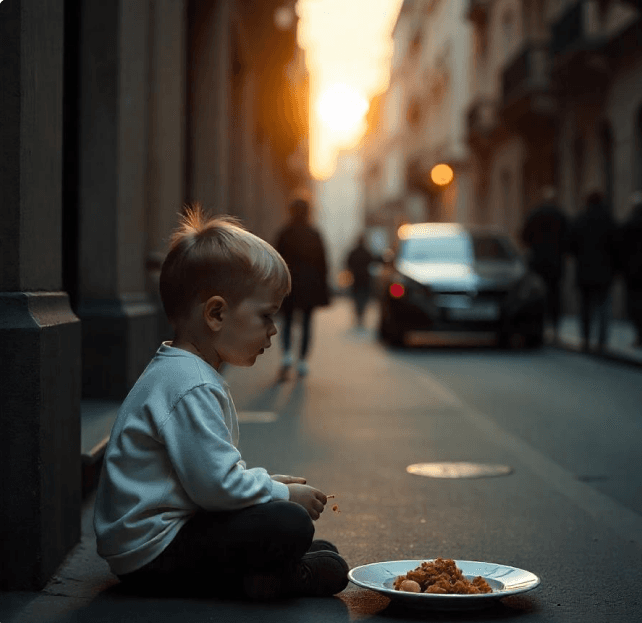

The connection to fair margins is undeniable: businesses, as integral pillars of our communities, have a responsibility to ensure that their pursuit of profit does not come at the expense of basic human needs. By embracing ethical practices and fair margins, companies can contribute to a more equitable and sustainable economy where the basic necessities of life, such as food, are accessible to all.
Let us not turn a blind eye to the hunger that gnaws at the bellies of our children. Let us not accept a world where some go to bed with empty stomachs while others feast on excess. It is our collective duty to build a society where every child has the opportunity to thrive, where no dream is stifled by the lack of food.
Together, let us commit to fair margins, to ethical practices, to a world where no child is left hungry. Let us transform our economic landscape into a source of nourishment for all, ensuring that the plates of our future generations are filled with the promise of a brighter tomorrow.
References
- USDA: U.S. Department Of Agriculture. (2022). Household Food Security In The United States In 2021. Economic Research Report Number 327.
- WHO: World Health Organization. (2021). Malnutrition.